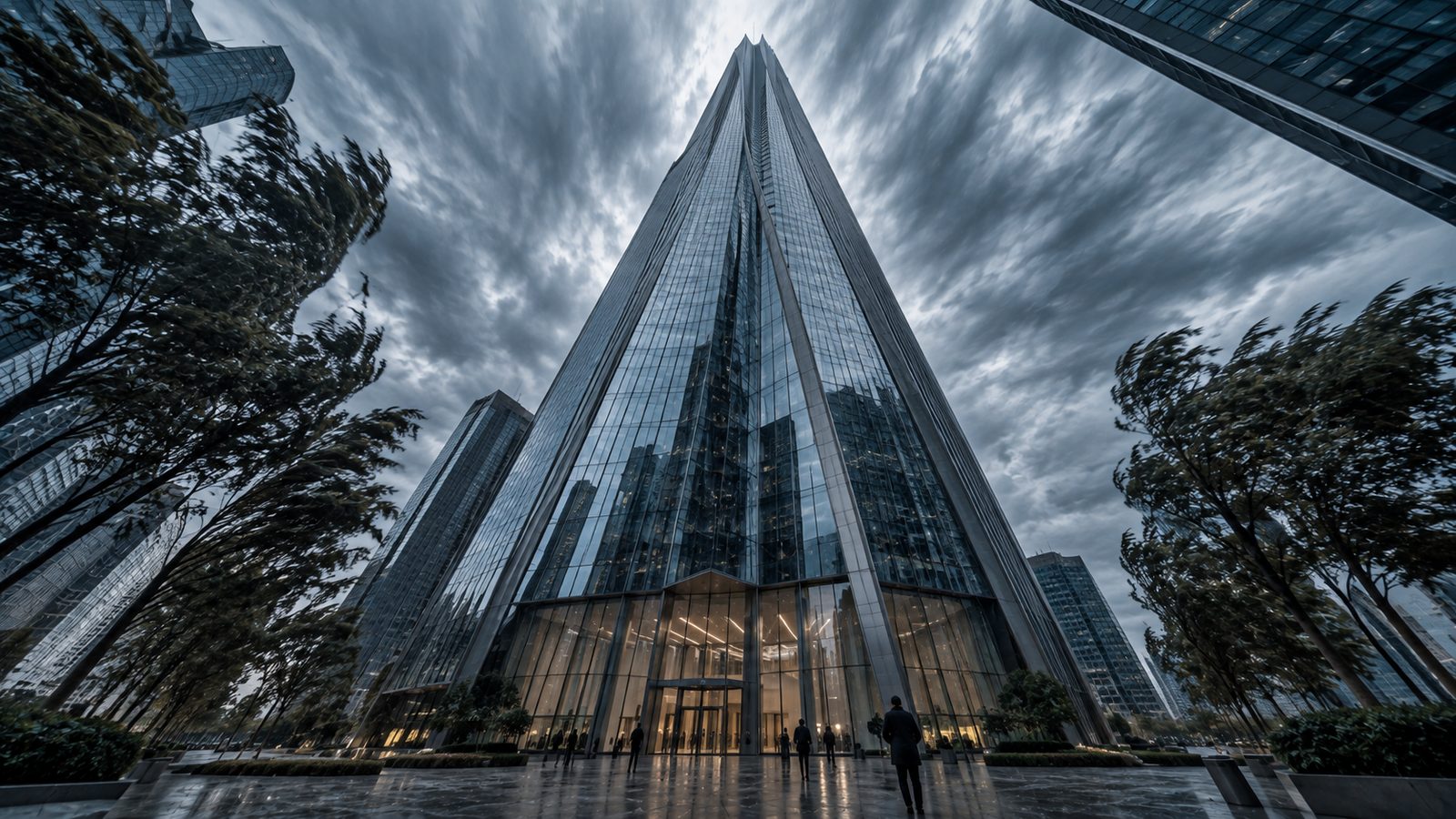
Tall buildings reach into the higher and generally faster-moving parts of the atmospheric boundary layer. Part of the flow striking the façade is deflected sideways and over the roof, while part of it can be carried down the face of the building. This mechanism, known as downwash, brings high-speed wind from the upper levels down to pedestrian level and can create uncomfortable conditions at entrances and at the base of the tower. The form of the tower and podium, the geometry of the building corners, the heights of nearby buildings and the prevailing wind directions all significantly change the magnitude of these effects.
From a structural perspective, what matters in tall buildings is not only the mean wind force but also the dynamic response in the along-wind and crosswind directions, together with torsional motion. Fluctuating pressures on the façades can interact with the building’s natural frequencies and damping to amplify the accelerations felt on the upper floors. A building that is safe in terms of strength may still fail serviceability criteria because occupants perceive the motion or find it uncomfortable. In tall building design, main structural loads, peak accelerations, façade pressures and pedestrian-level microclimate should therefore be treated not as independent issues but as different parts of the same wind engineering problem.
Related insights
See all
What Is Wind Load?
The pressures and suctions wind creates on building surfaces, and the difference between main structural loads and local façade pressures.
Wind Load Calculation to ASCE 7 and EN 1991-1-4
Code-based wind load calculation: the MWFRS and C&C distinction, EN 1991-1-4 parameters, and where code coefficients fall short.
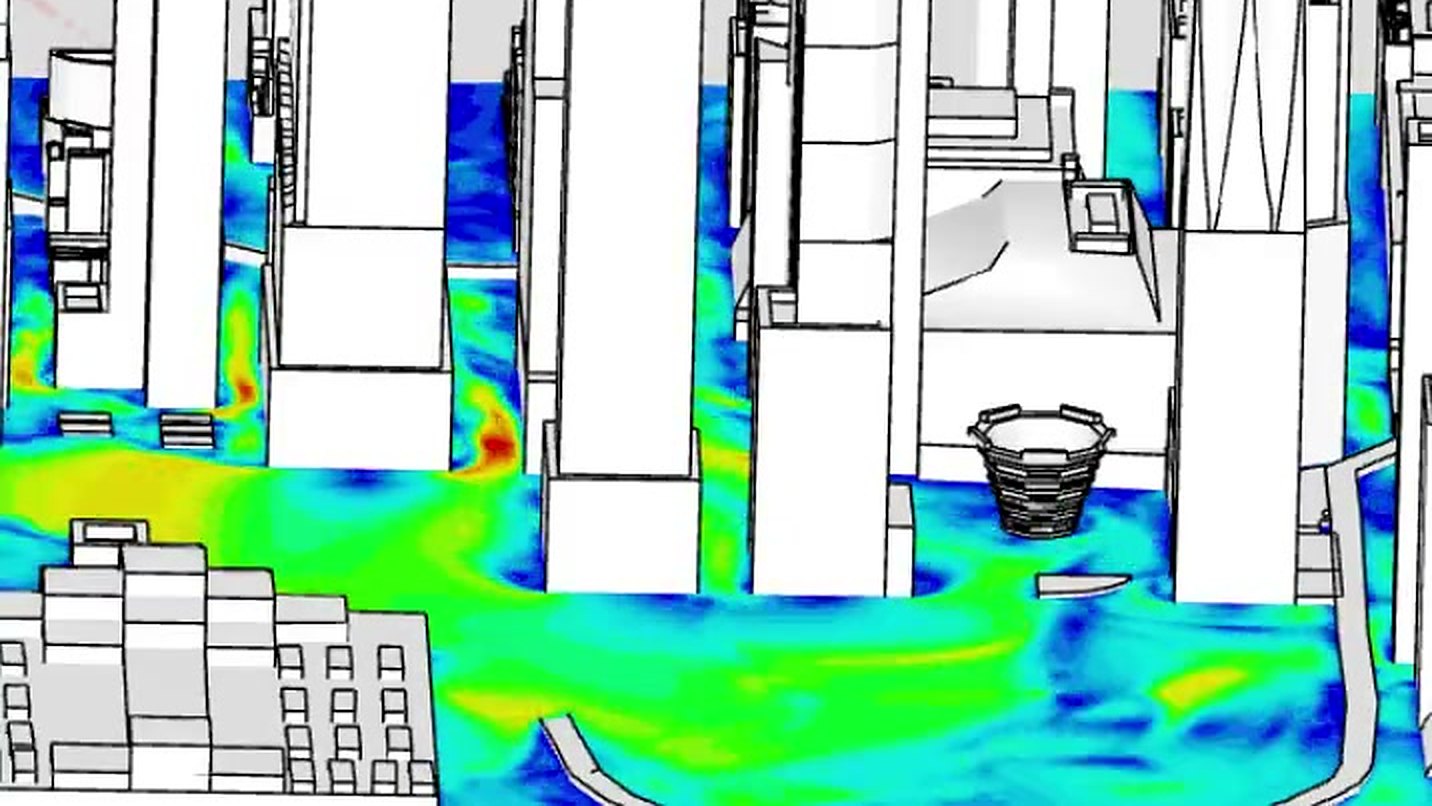
When Should CFD Wind Analysis Be Used?
Where CFD outperforms code tables, how it supports pedestrian comfort studies, and what determines whether its results can be trusted.