
Wind load is the combined effect of the pressures and suctions that develop on a structure’s surfaces as moving air in the atmosphere interacts with it. Wind generally produces positive pressure on the windward face of a building, while side faces, roof surfaces and leeward zones can experience negative pressure, or suction. The magnitude of these effects depends not only on the basic wind speed but also on the height and geometry of the structure, terrain roughness, topography, surrounding development, prevailing wind directions and turbulence characteristics. Wind load should therefore not be treated as a single, constant pressure acting on the building surface.
In structural design, wind effects are considered in two main groups. The first is the overall wind load transferred to the main structural system. These loads govern storey shears, overturning moments, torsional effects, lateral displacements and, in tall buildings, the accelerations that affect occupant comfort. The second is the local wind pressure acting on façade cladding, glazing, window and door frames, roof coverings, parapets and their connections. Whereas overall structural loads represent the total effect over larger areas, the design of the building envelope can be governed by the high local suctions that develop particularly in corner and edge zones.
Related insights
See all
Wind Load Calculation to ASCE 7 and EN 1991-1-4
Code-based wind load calculation: the MWFRS and C&C distinction, EN 1991-1-4 parameters, and where code coefficients fall short.
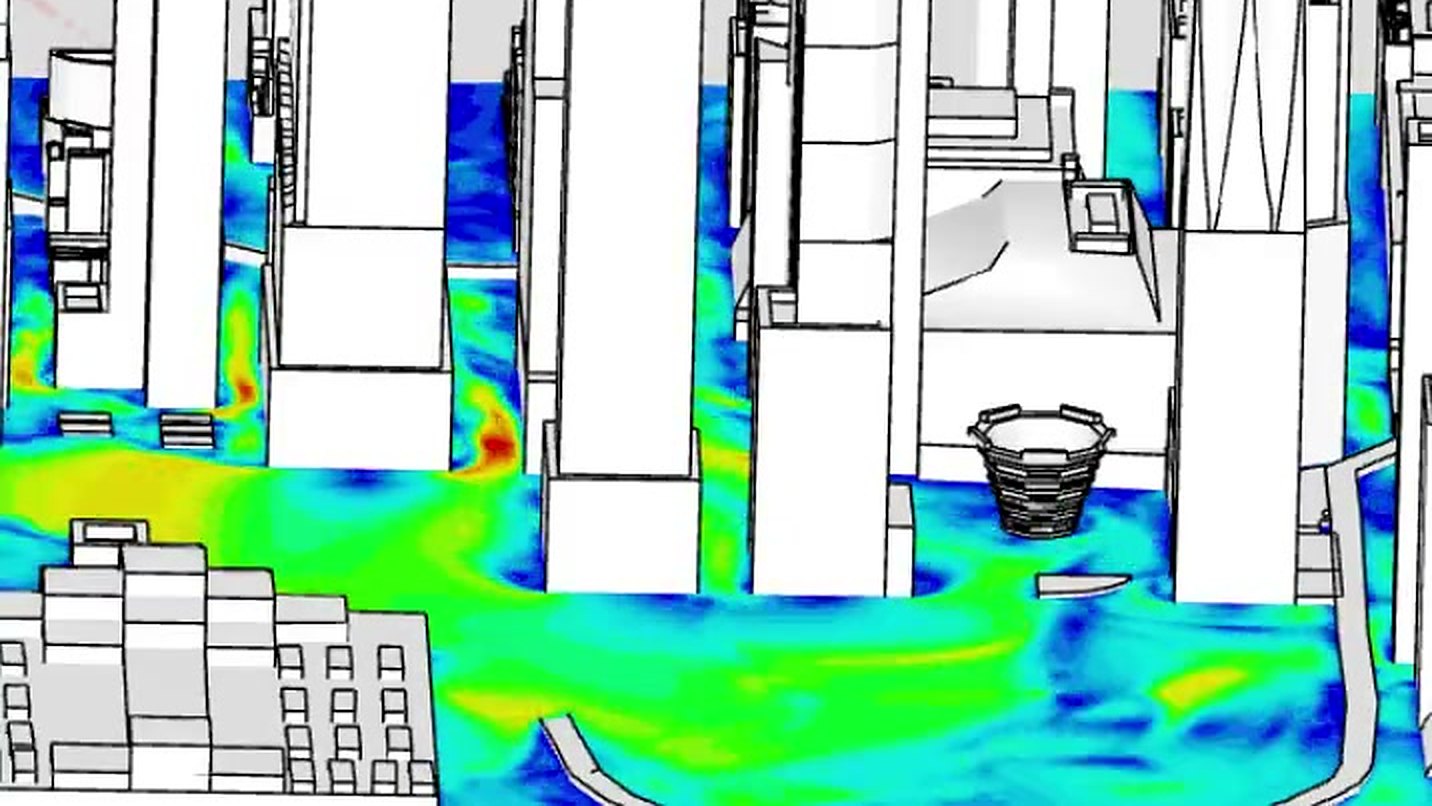
When Should CFD Wind Analysis Be Used?
Where CFD outperforms code tables, how it supports pedestrian comfort studies, and what determines whether its results can be trusted.
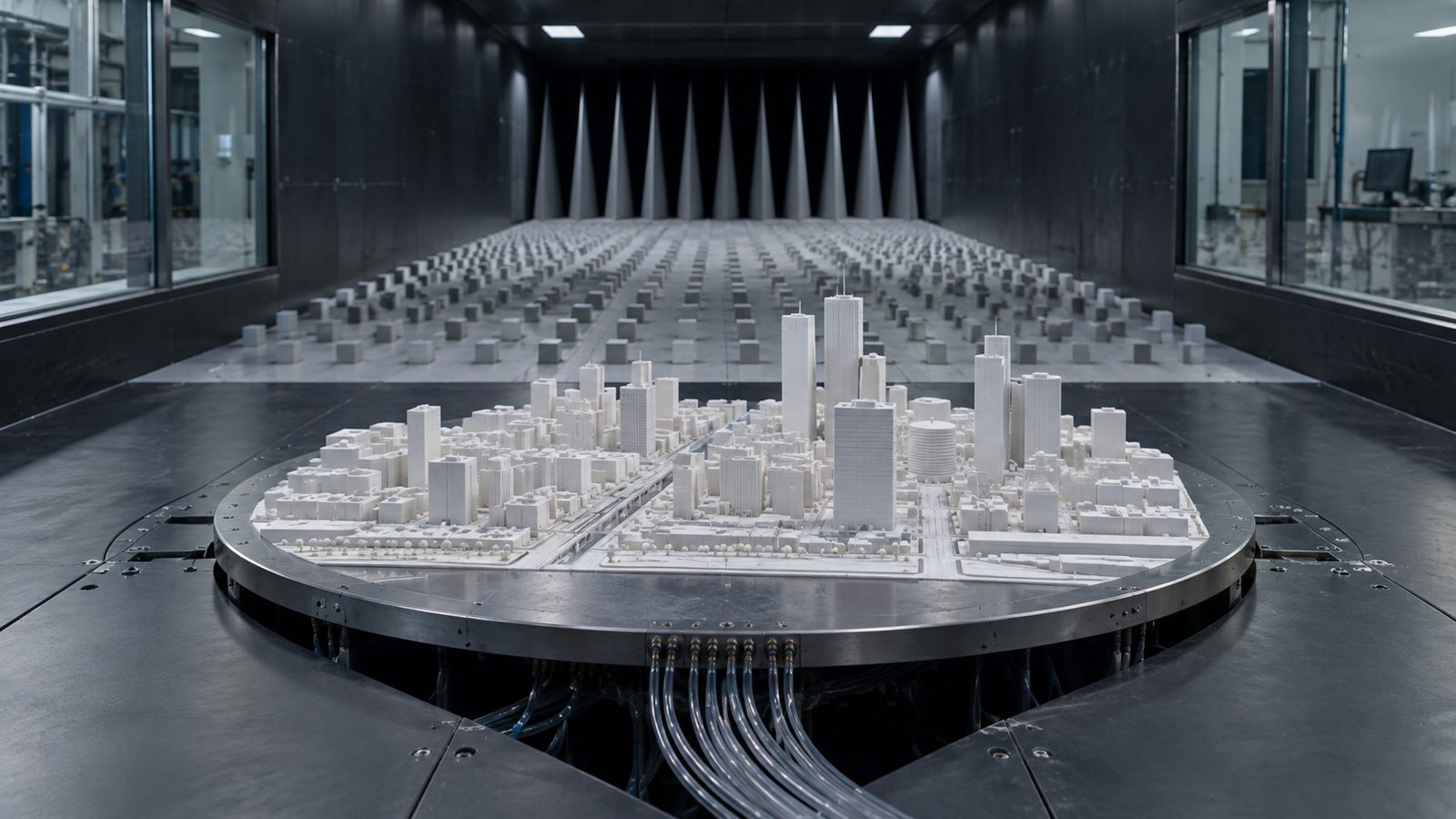
When Is Wind Tunnel Testing Required?
Which projects call for wind tunnel testing, and the measurement methods used for façade pressures, structural response and pedestrian comfort.