Wind Engineering
What Is Urban Wind Microclimate and Why Does It Matter?
1 min read
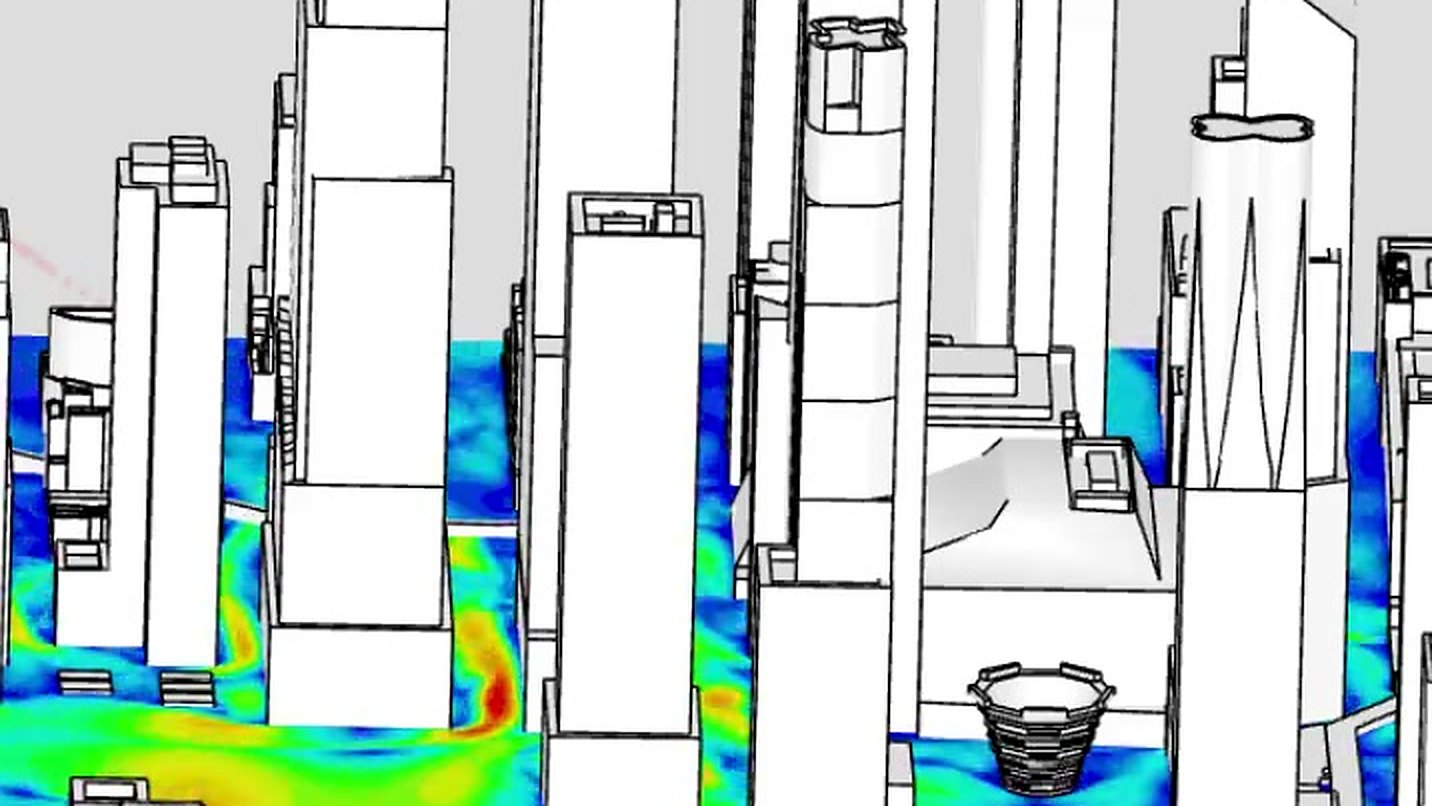
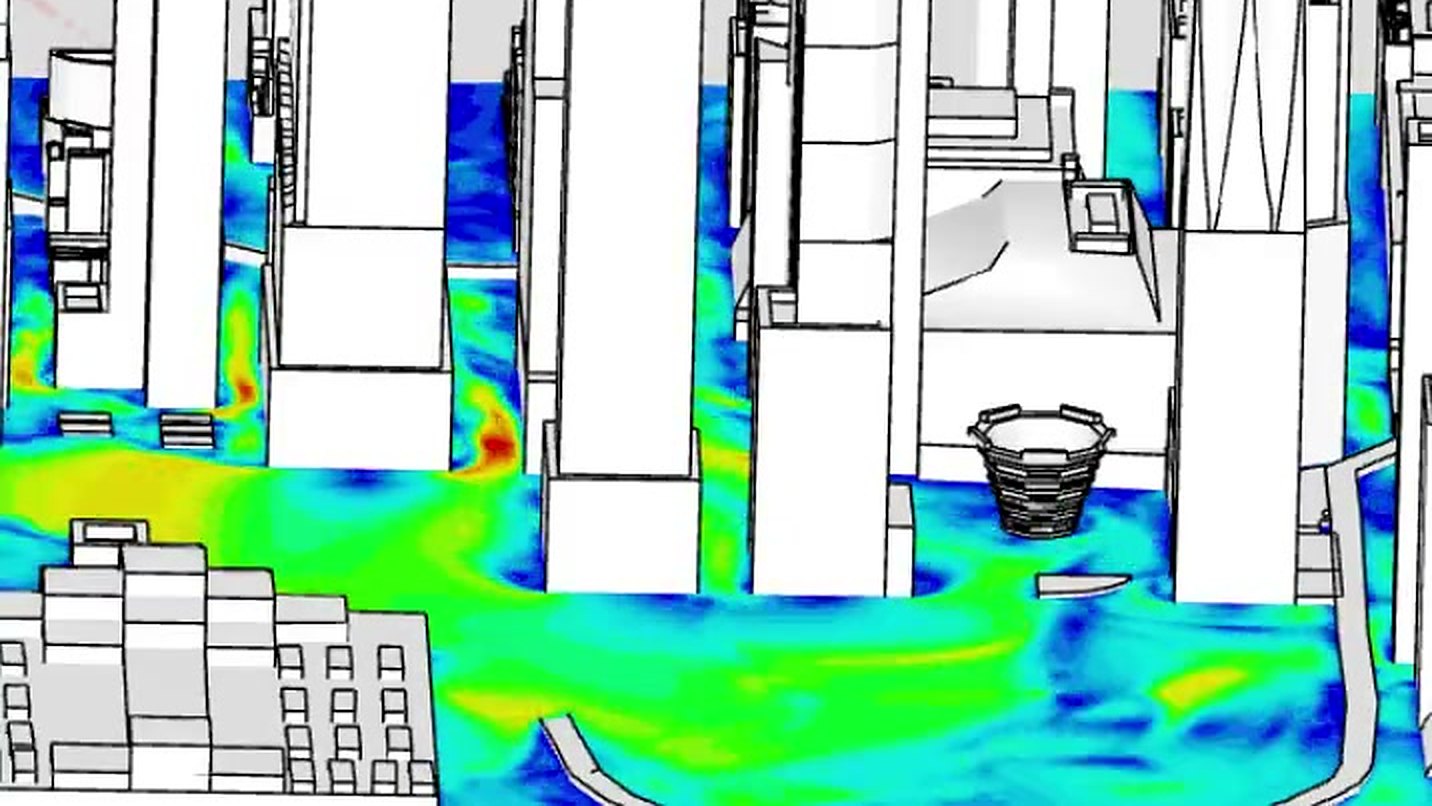
Urban wind microclimate describes how buildings and open spaces modify wind conditions at city scale. Buildings can redirect, accelerate or slow the wind, or create zones of vortex flow. Narrow streets and gaps between buildings produce channelling, while tall towers can carry upper-level wind down to the ground. Sheltered courtyards and dense urban blocks, on the other hand, can suffer from insufficient air movement. These effects rarely stop at a single plot boundary; a new building can also change wind conditions in neighbouring streets, squares and building entrances.
Urban wind microclimate matters for natural ventilation, pollutant dispersion, the heat island effect, the usability of outdoor spaces and the quality of the public realm, as well as for pedestrian comfort and safety. Very high wind speeds can make open spaces unusable, while very low speeds can worsen heat build-up and air quality problems. Indeed, current research addresses urban wind problems together: comfort problems caused by strong wind, and air quality and heat accumulation problems caused by weak wind. Successful microclimate design should therefore aim not to block the wind altogether but to provide balanced air movement across different seasons and uses. AIJ validation database and urban wind assessment
Related insights
See all
What Is Wind Load?
The pressures and suctions wind creates on building surfaces, and the difference between main structural loads and local façade pressures.

Wind Load Calculation to ASCE 7 and EN 1991-1-4
Code-based wind load calculation: the MWFRS and C&C distinction, EN 1991-1-4 parameters, and where code coefficients fall short.
When Should CFD Wind Analysis Be Used?
Where CFD outperforms code tables, how it supports pedestrian comfort studies, and what determines whether its results can be trusted.