
FEMA P-154 is a practical visual screening method used to obtain preliminary information about the seismic risk of existing buildings in a short time. It can be used in the first assessment of alternative buildings in leasing and acquisition decisions, or in reviewing large building portfolios. Characteristics such as building type, period of construction, structural irregularities and soil conditions are evaluated within a scoring system. Developed from past earthquake observations, statistical relationships and analytical models, this approach provides approximate information about the probability of partial or total collapse of the building when subjected to the very rare and severe ground motion the method is based on.
The advantage of the method is that it offers a rapid assessment without detailed material testing or structural analysis. In return, characteristics that cannot be seen, such as concrete strength and reinforcement details, remain uncertain. The result is not a definite prediction of a specific future earthquake; it is an approximate indicator obtained under the earthquake level and assumptions defined in the method. It should therefore be used for initial screening and for identifying the need for further investigation in a leasing or acquisition process. It does not replace a detailed seismic performance assessment.
Related insights
See all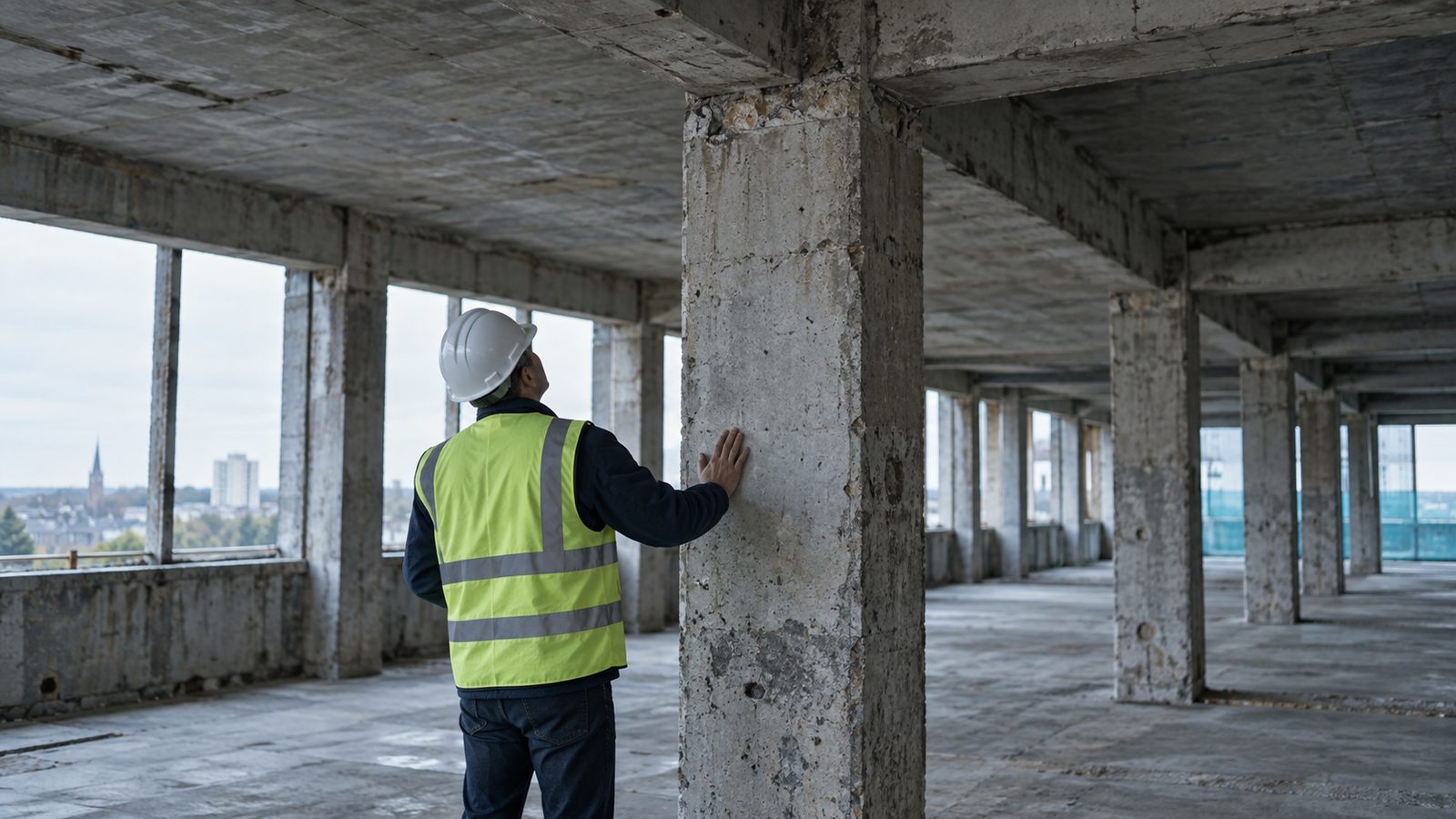
How Is the Seismic Risk of an Existing Building Assessed?
Rapid screening, statutory risk determination and code performance assessment: what each covers and why one does not replace another.
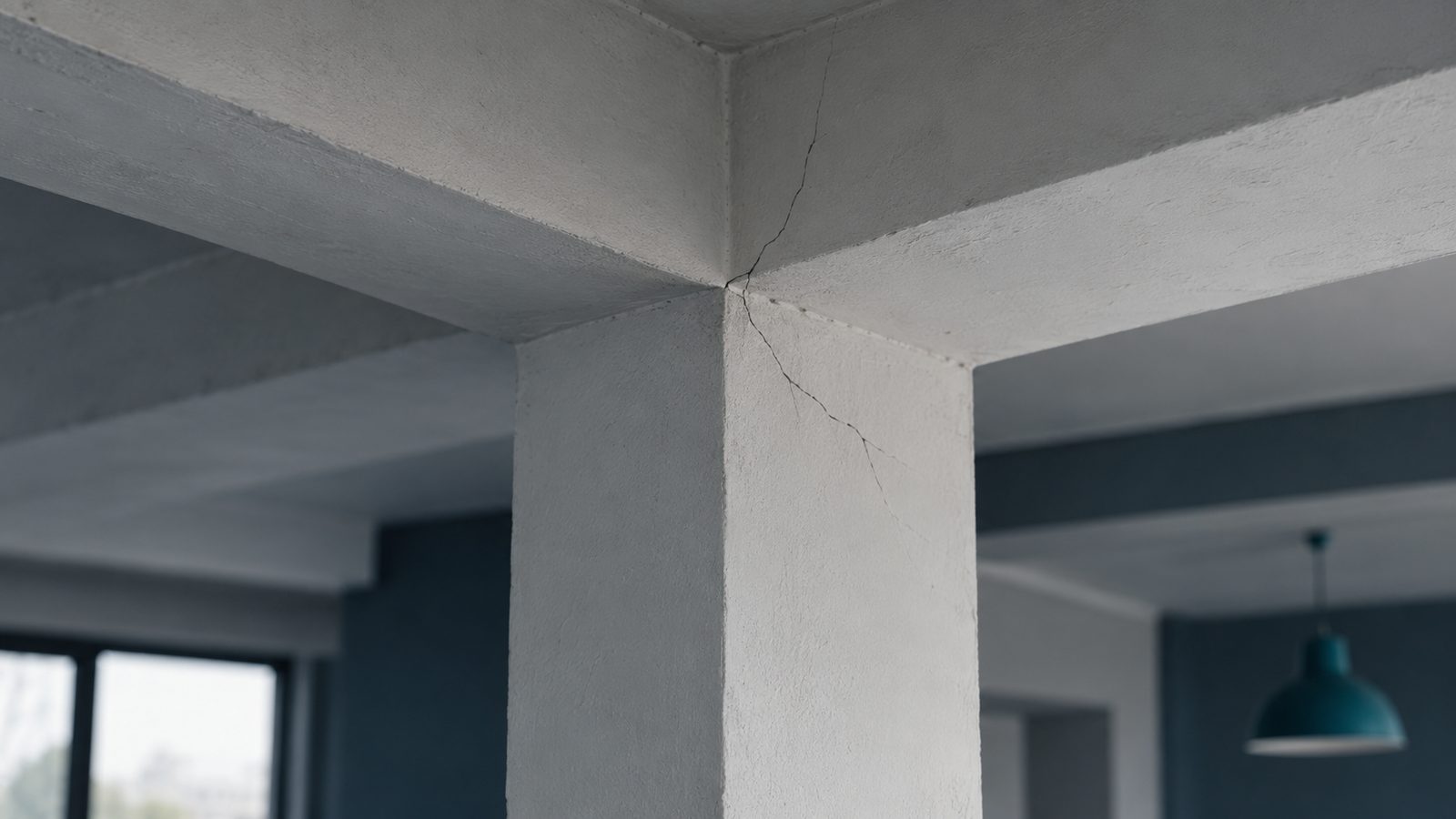
What Are the Performance Objectives in the Building Earthquake Code?
What Immediate Occupancy, Limited Damage, Controlled Damage and Collapse Prevention mean, and what meeting or missing a target actually implies.

What Is the Difference Between ASCE 41 Tier 1, Tier 2 and Tier 3?
The three-tier structure of ASCE 41, how it relates to the Turkish code, and how the appropriate tier is chosen for a given building.