Seismic Engineering
What Are the Performance Objectives in the Building Earthquake Code?
1 min read
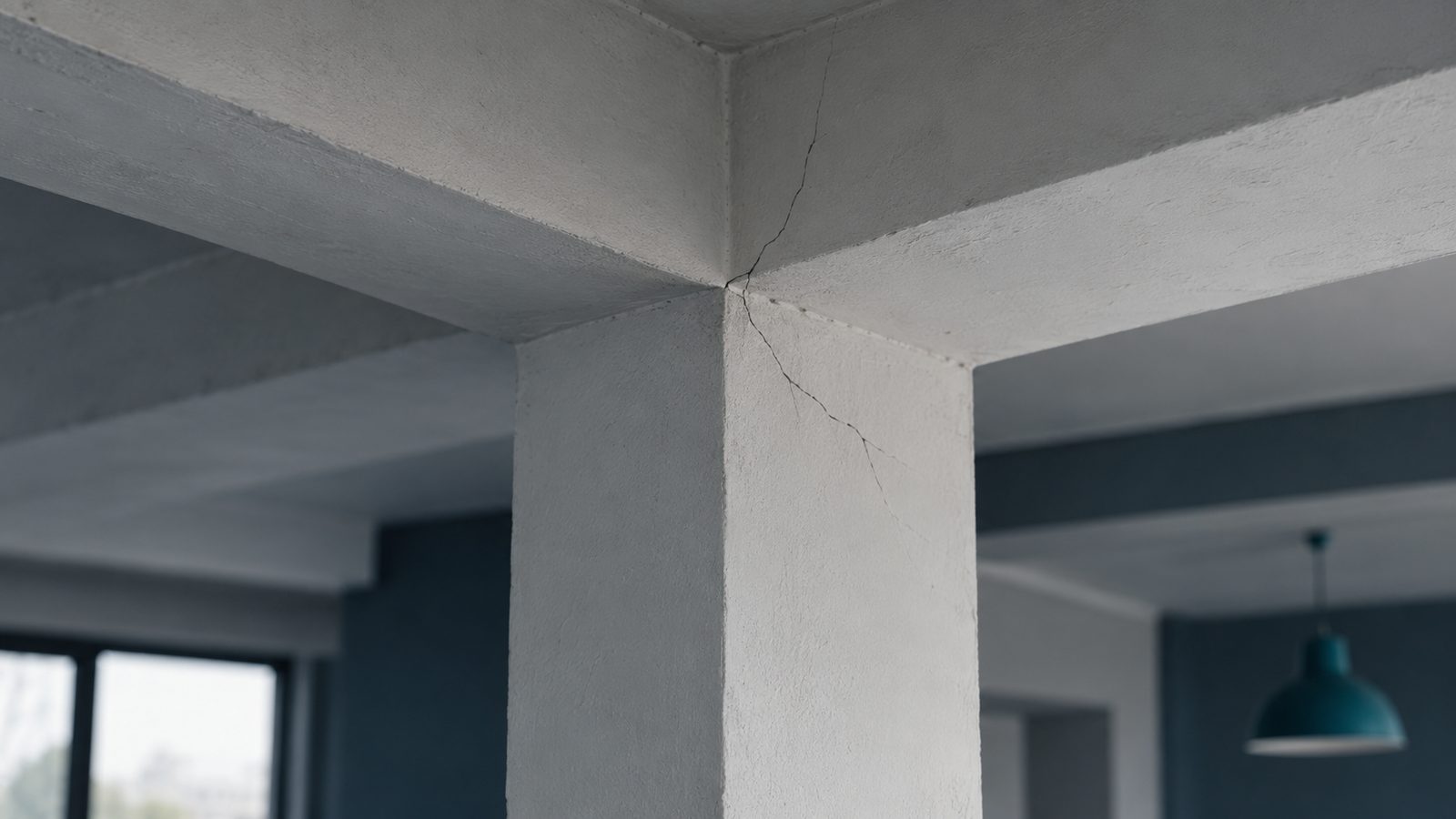
Performance objectives in the building earthquake code define what level of damage is acceptable in a building under a given earthquake action. From the occupant's point of view, Immediate Occupancy means that damage to the structural system is negligible and use is intended to continue. Limited Damage corresponds to a limited level of damage in the structural elements. Controlled Damage is the level at which damage that is not very heavy and is mostly repairable is accepted in order to provide life safety. Collapse Prevention aims to prevent collapse even though the building may be heavily damaged. This last level does not mean the building can continue to be occupied after the earthquake. The objective to be sought varies with the intended use of the building and the earthquake level being assessed.
It is very difficult to predict with certainty whether a building will collapse completely in an earthquake. The characteristics of the earthquake, the building's materials, its construction details and the behaviour of the structural system all shape that outcome together. Codes address these uncertainties through assumptions and limit values intended to stay on the safe side. A building's failure to meet its target performance should therefore not be read as proof that it will certainly collapse. Equally, meeting a performance objective does not mean that no damage will occur in any earthquake. The assessment establishes whether, under the defined earthquake actions, the building remains within the damage limits accepted by the code.
Related insights
See all
How Is the Seismic Risk of an Existing Building Assessed?
Rapid screening, statutory risk determination and code performance assessment: what each covers and why one does not replace another.

What Is the Difference Between ASCE 41 Tier 1, Tier 2 and Tier 3?
The three-tier structure of ASCE 41, how it relates to the Turkish code, and how the appropriate tier is chosen for a given building.

What Is Risky-Building Determination and How Is It Carried Out?
How determination under Law No. 6306 is carried out, what site work it involves, and how it differs from a detailed performance assessment.