Façade Engineering
How Do Curtain Walls Behave in an Earthquake? The Effect of Storey Drift
1 min read
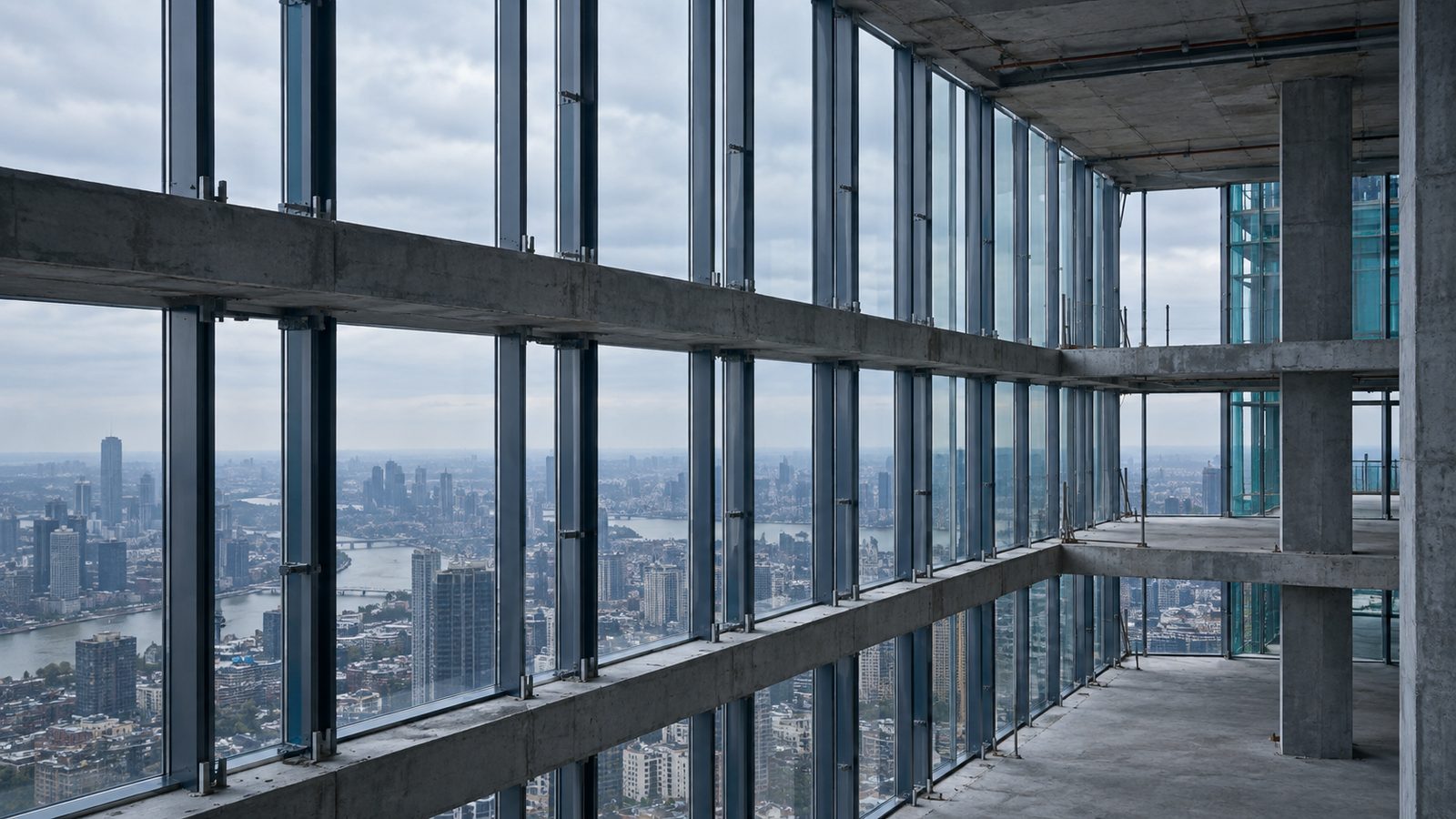
During an earthquake, curtain walls are subject to two principal effects: the inertia forces that floor accelerations generate in the mass of the façade, and the relative displacements that arise between fixing points because of the movement of the primary structure. Inertia forces create a strength demand on the glass, panels, profiles and connections, while relative storey drift forces the façade modules to deform. What matters is not the total lateral movement of the building but the difference in movement between the points to which a façade element is fixed. Design data should therefore not consist only of an earthquake force; the movements at the fixing levels and their directions must also be taken from the analysis of the primary structure.
A façade system that resists rigidly every movement imposed by the building can create high demands in the glass and the connections. The basic design approach is therefore to accommodate relative movement in a controlled way while maintaining the required load transfer. Panel junctions, profile splices, glass edge clearances and sliding connections are considered together. Glass striking the frame, coming out of its support, or connections losing their load-carrying function at the end of their travel must all be prevented. The intended seismic performance should also be stated explicitly in the design: preventing glass fall-out, limiting damage, and maintaining air and water performance after an earthquake are different levels of assessment. Where a project requires it, movement capacity can be verified by testing representative façade specimens.
Related insights
See all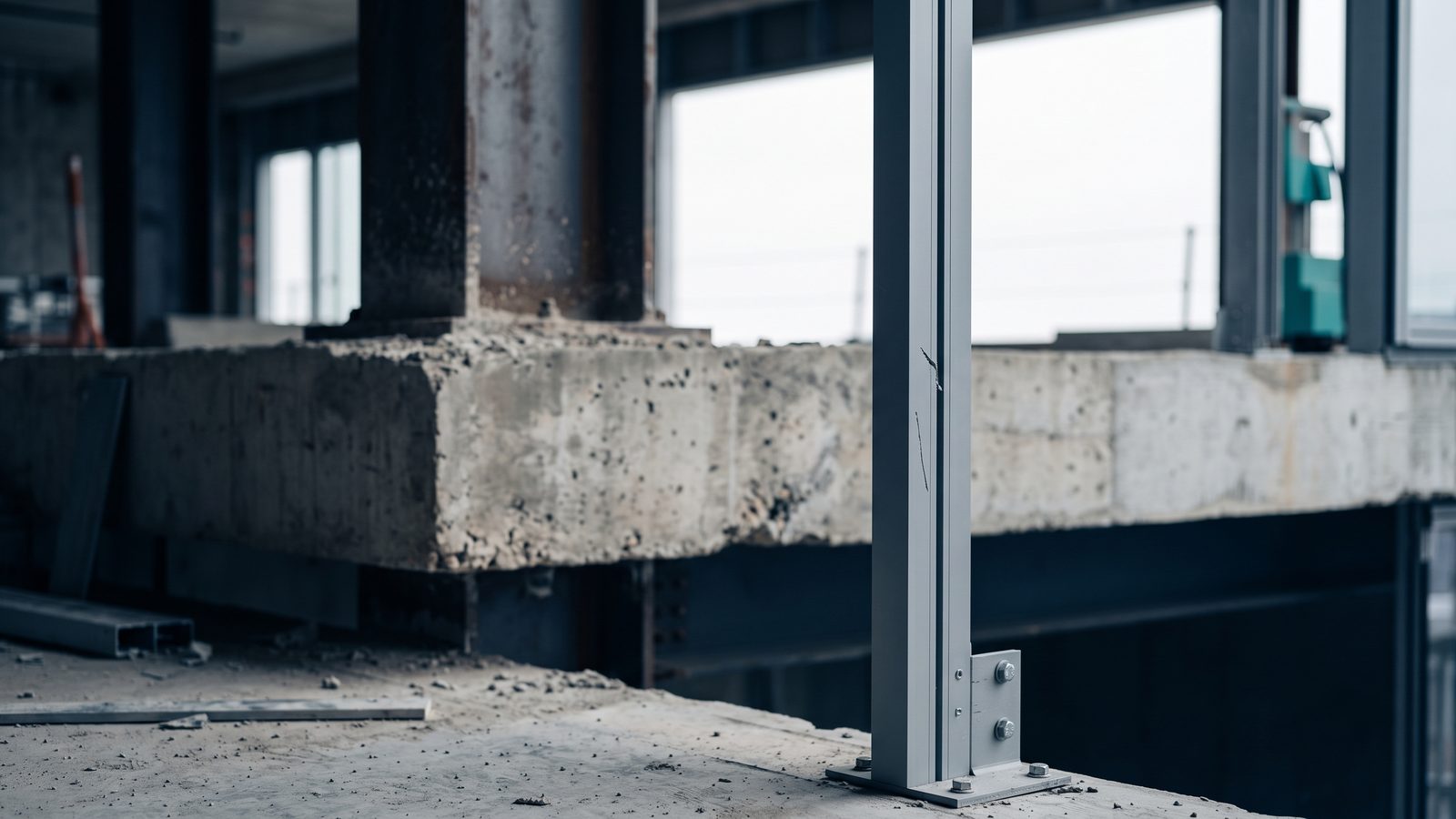
What Is Structural Façade Engineering and How Does It Differ from Structural Design?
How façade elements carry load, deflect and follow building movement, and how the discipline differs from primary structural design.
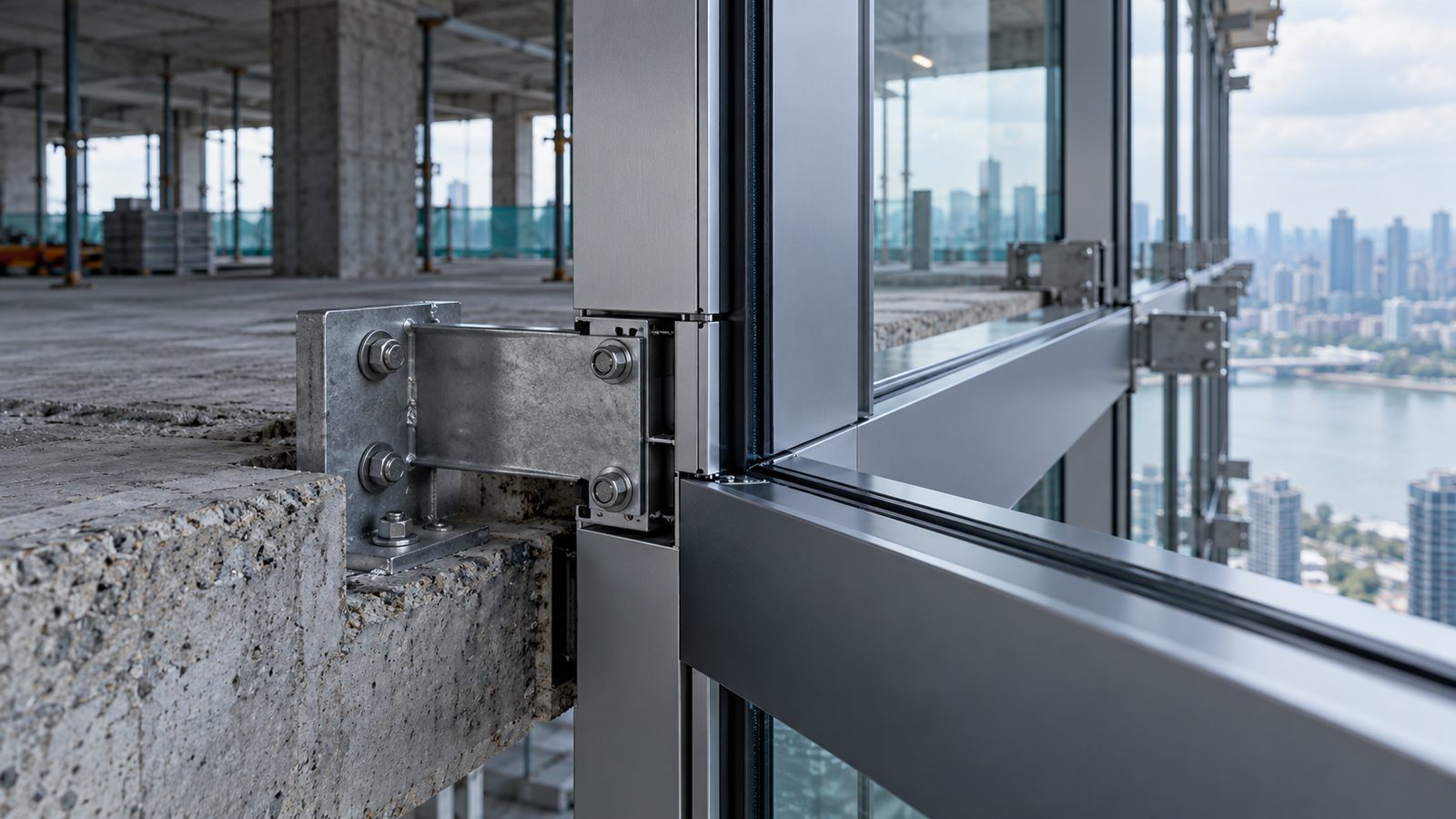
How Is a Curtain Wall Calculated Structurally?
Establishing the load path, choosing fixed and sliding supports, and turning architectural intent into a buildable structural arrangement.
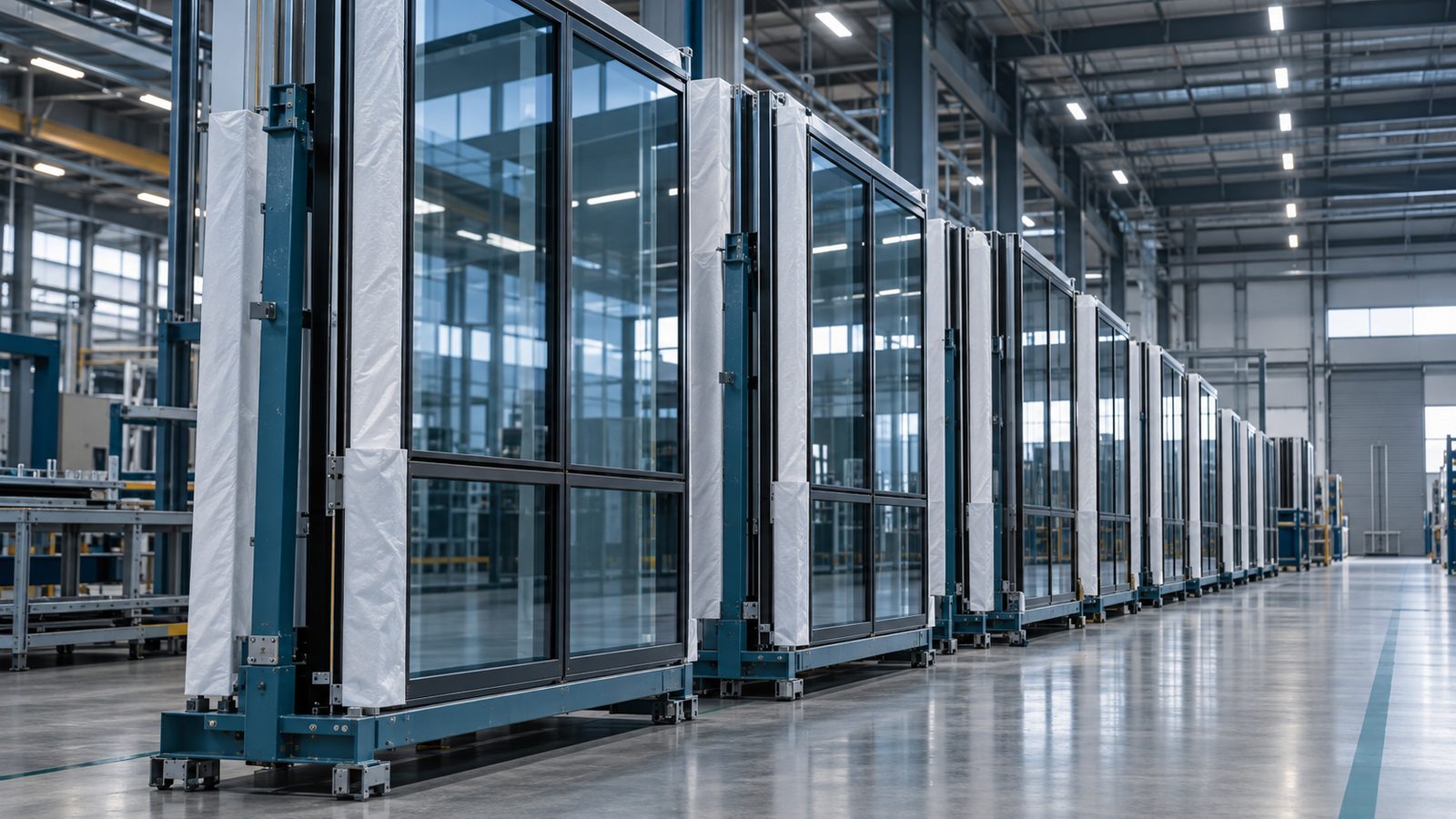
Curtain Wall Performance Classes to EN 13830
What EN 13830 actually classifies, how air, water and wind classes are expressed, and why a catalogue performance does not transfer automatically.