Seismic Engineering
Post-Earthquake Damage Assessment and the Decision on Occupancy
1 min read
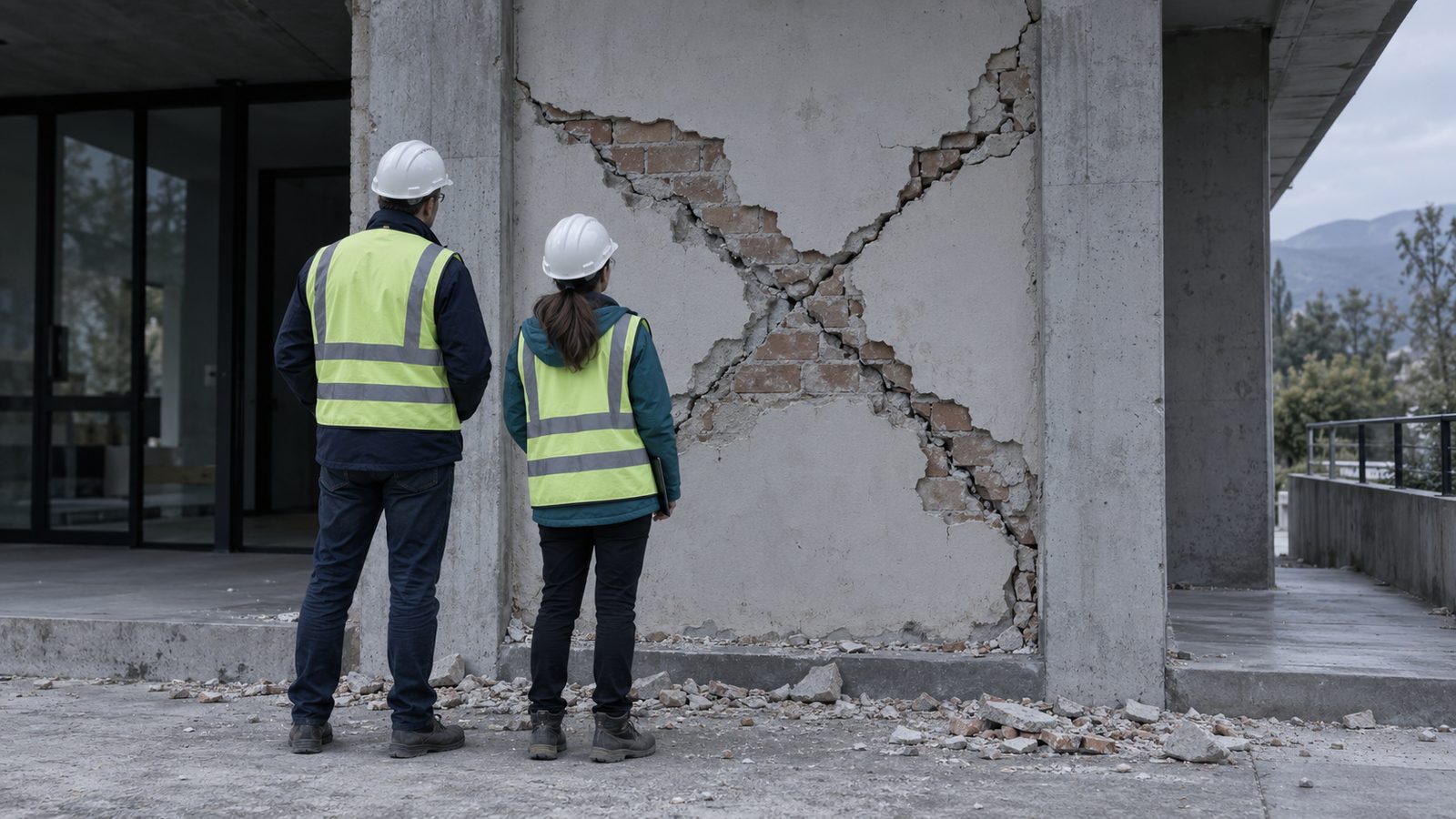
Post-earthquake damage assessment is a process in which specially trained technical teams evaluate a large number of buildings in a short time. The level of damage is established by examining cracks in structural elements, crushing of concrete, damage to reinforcement and permanent deformations. So that the entire inventory can be assessed against the same criteria, the teams must use common damage definitions and recording methods. It is therefore important that the authority coordinating the work organises training, allocation of duties, data collection and checking processes. A standard assessment approach helps different teams to reach consistent conclusions for similar damage.
The aim of damage assessment is to determine the effects the earthquake has produced in the building and to provide a basis for decisions about its use. Continued occupancy, restriction of use or evacuation are carried out in line with the assessments and decisions of the competent authorities. Where necessary, more detailed engineering investigation, repair or strengthening work is required. A building emerging from an earthquake undamaged or lightly damaged does not show that it will behave the same way in a stronger earthquake. Furthermore, since new damage can occur as a result of aftershocks, changes in the condition of the building may require reassessment.
Related insights
See all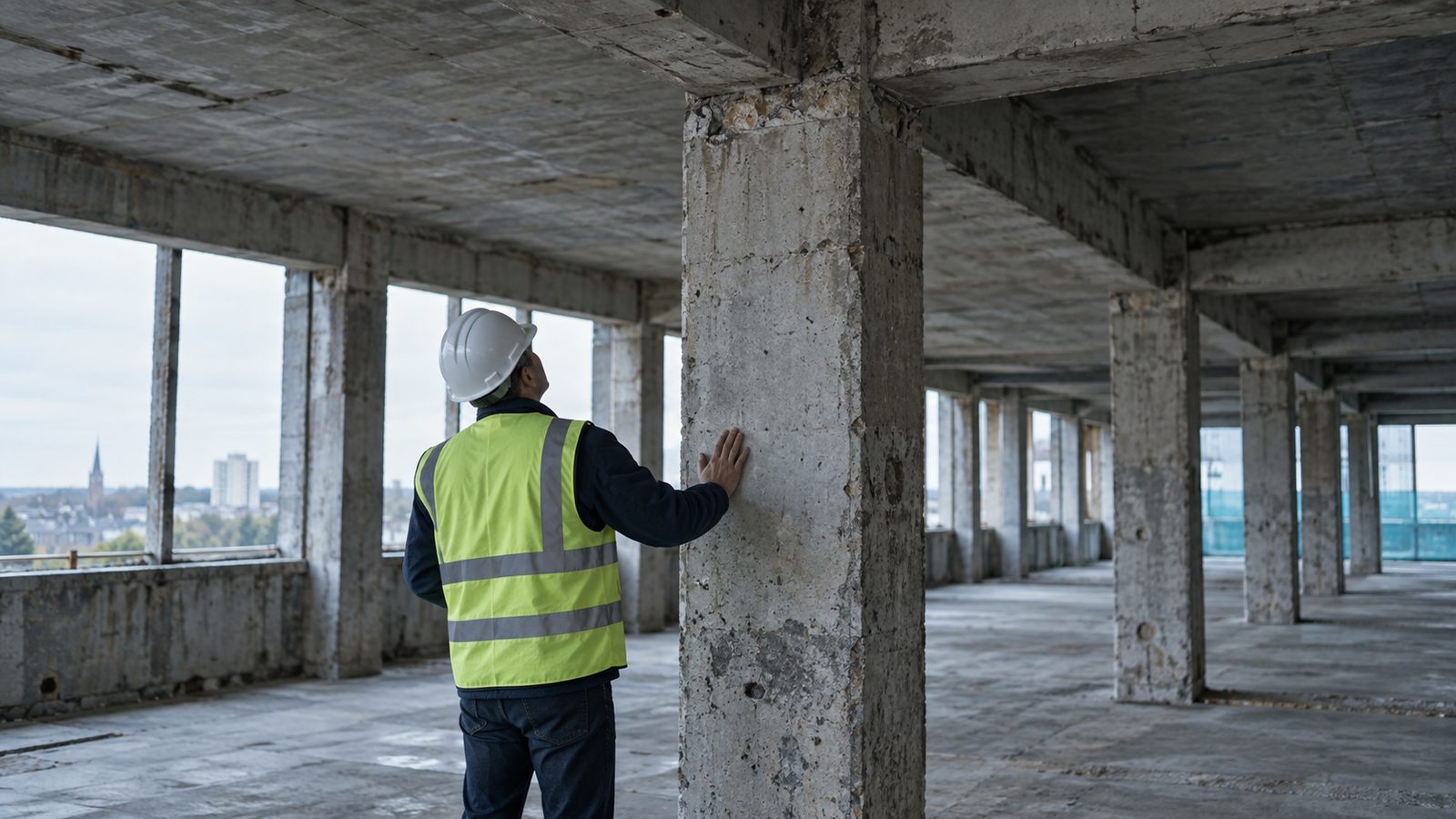
How Is the Seismic Risk of an Existing Building Assessed?
Rapid screening, statutory risk determination and code performance assessment: what each covers and why one does not replace another.
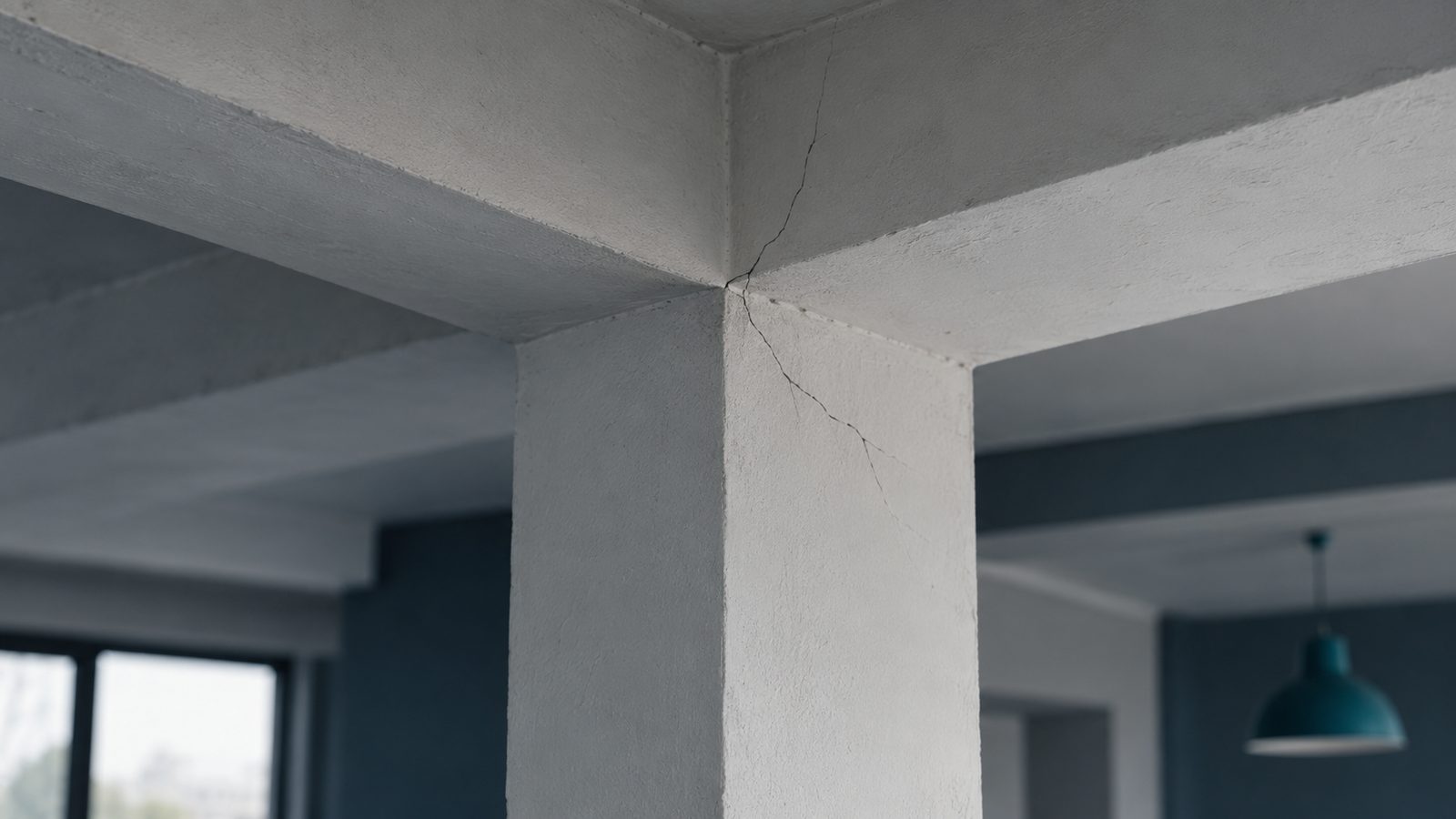
What Are the Performance Objectives in the Building Earthquake Code?
What Immediate Occupancy, Limited Damage, Controlled Damage and Collapse Prevention mean, and what meeting or missing a target actually implies.

What Is the Difference Between ASCE 41 Tier 1, Tier 2 and Tier 3?
The three-tier structure of ASCE 41, how it relates to the Turkish code, and how the appropriate tier is chosen for a given building.