Façade Engineering
Air, Water and Wind Resistance Tests: EN 12152, EN 12154 and EN 12179
1 min read
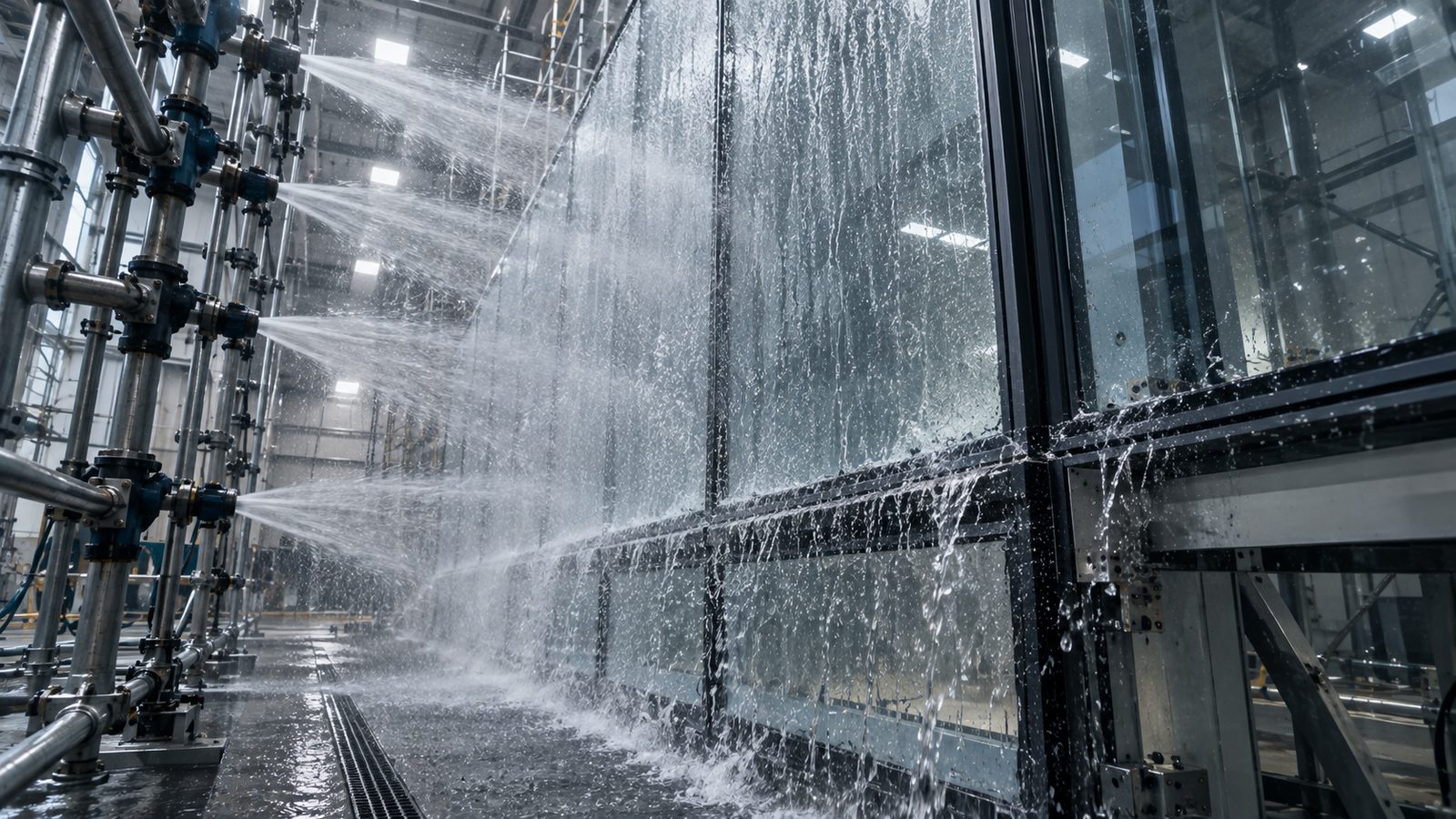
Air permeability and watertightness tests on curtain walls show how profile joints, gaskets, opening elements and perimeter connections work together as a system. In the air test, a pressure difference is applied to the specimen and the resulting air leakage is measured. Here EN 12152 defines the performance requirements and classification, while EN 12153 defines the test method. For watertightness, EN 12154 is the performance and classification standard, and the laboratory test method under static pressure is set out in EN 12155. Water spray and pressure difference are applied together to assess uncontrolled water passage to the inside. Water that enters the designed drainage channels and is discharged outwards must be distinguished from leakage reaching the interior.
The wind load resistance test is carried out to EN 12179; the performance requirements are assessed together with EN 13116 and the project criteria. Positive and negative pressures are applied to the specimen and the behaviour of the supporting profiles, the glass and the connections is observed; deformations at defined points and any permanent deformation after the load is removed are measured. The test programme may also require air and water performance to be re-checked after the high load stages, so that any deterioration caused by structural loading in the gaskets, the joints or the drainage arrangement can be examined. Test pressures, the loading sequence and the acceptance criteria should be defined at the outset, and results reported together with the dimensions, materials and connection arrangement of the specimen.
Related insights
See all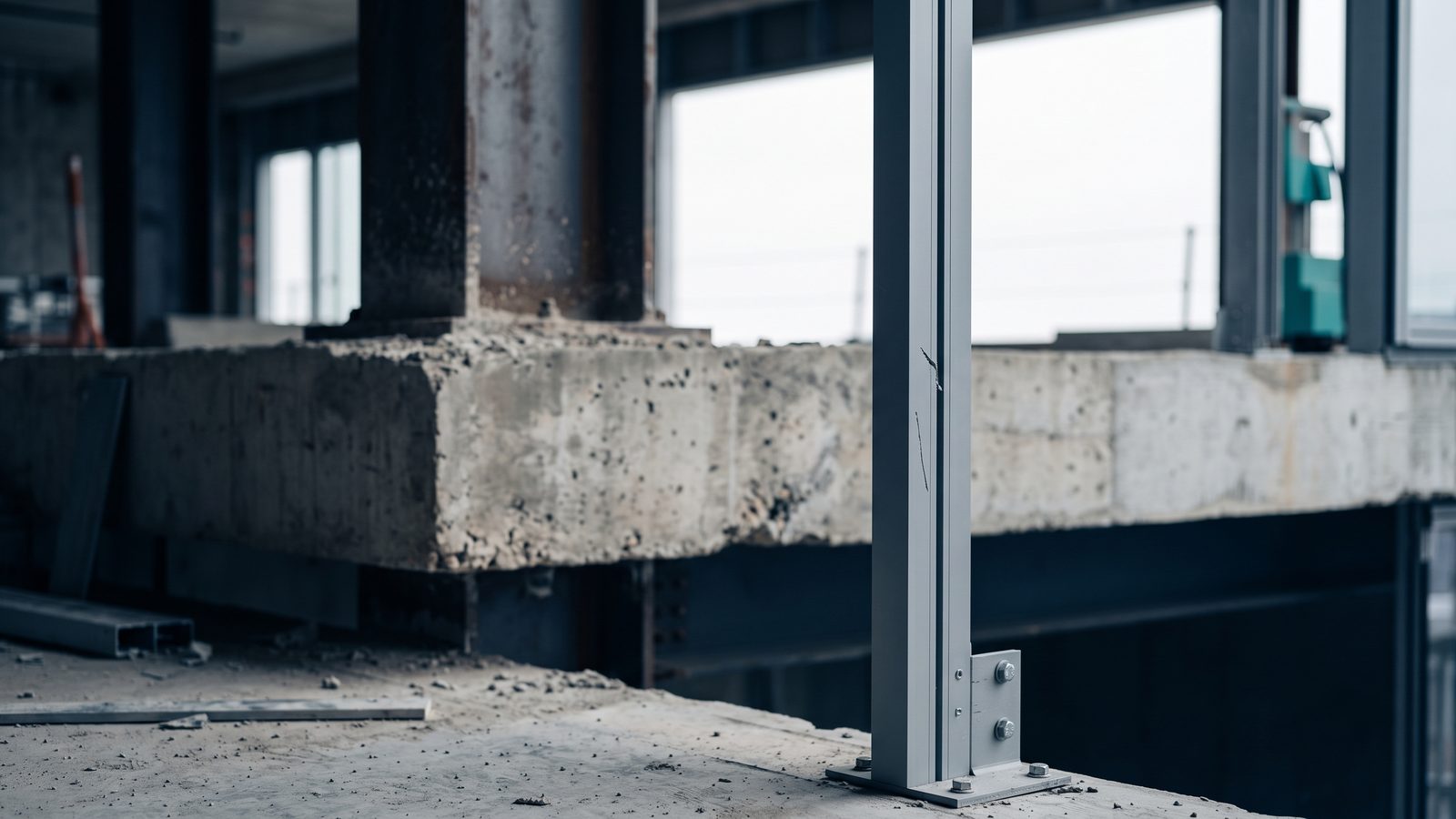
What Is Structural Façade Engineering and How Does It Differ from Structural Design?
How façade elements carry load, deflect and follow building movement, and how the discipline differs from primary structural design.
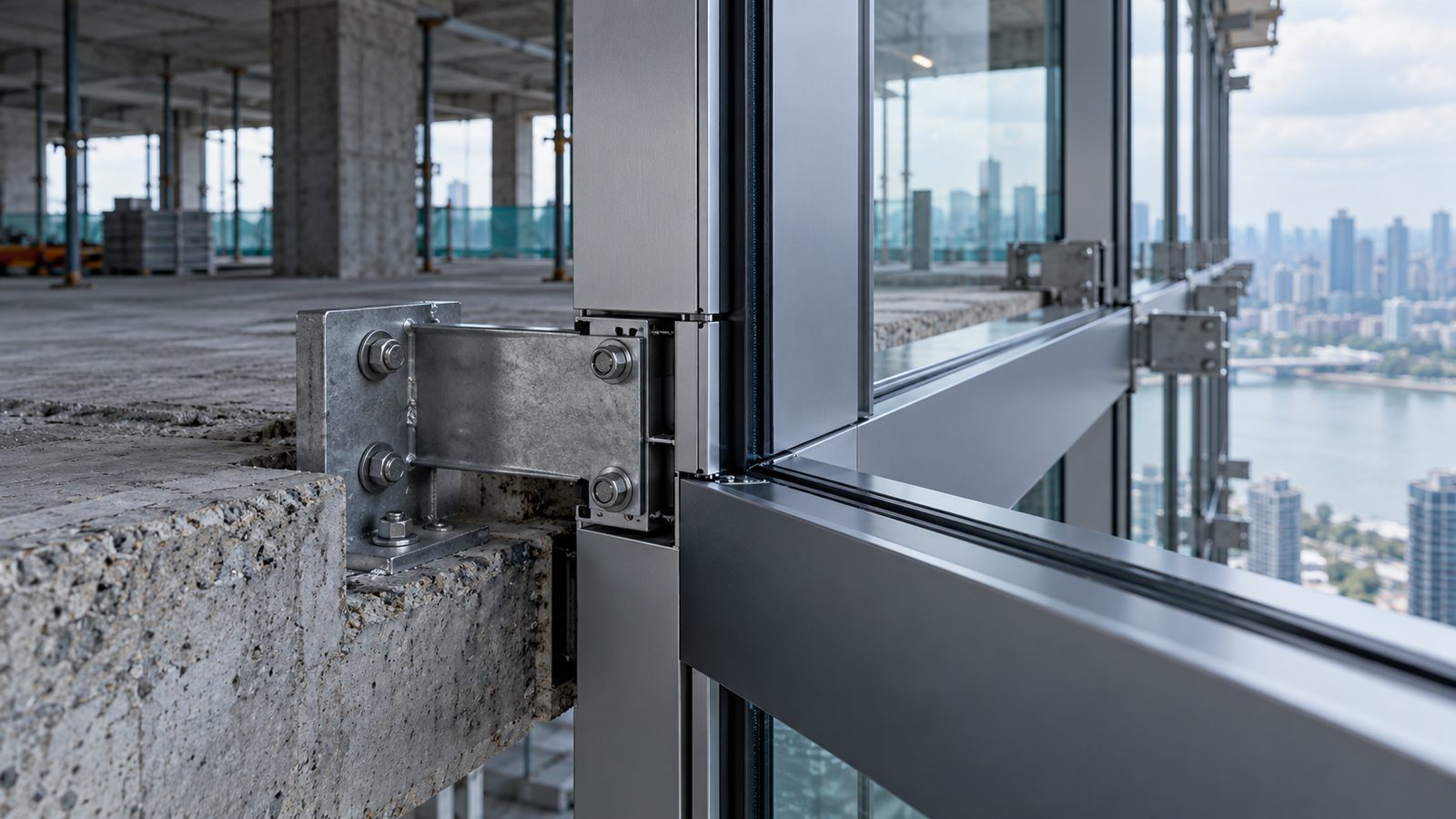
How Is a Curtain Wall Calculated Structurally?
Establishing the load path, choosing fixed and sliding supports, and turning architectural intent into a buildable structural arrangement.

Curtain Wall Performance Classes to EN 13830
What EN 13830 actually classifies, how air, water and wind classes are expressed, and why a catalogue performance does not transfer automatically.