Seismic Engineering
How Is Seismic Risk Screened Across a Building Portfolio?
1 min read

A staged inspection programme can be applied to assess seismic risk across large building portfolios. Rapid visual screening with FEMA P-154 is carried out first to prioritise the structures; the investigation is then deepened to ASCE 41 Tier 1, Tier 2 and Tier 3 levels in the buildings where this is judged necessary. An international company may prefer this approach, for example, to understand the seismic risk of the buildings used by more than a hundred suppliers of varying size. The first stage produces preliminary information about the entire inventory against common criteria. In later stages, more site investigation and engineering calculation are carried out on the structures seen as risky or uncertain.
As an approximate time scale describing the level of detail of the work, a FEMA P-154 assessment can be thought of as hours per building, ASCE 41 Tier 1 as days, Tier 2 as weeks and Tier 3 as months. These durations are not fixed; the size of the building, the available documentation, site access and the tests required all affect the time. The purpose of the staged approach is to obtain the information needed for a decision at an appropriate level of investigation, rather than carrying out the most comprehensive study on every building at the outset. The assessment can be completed at the stage where a sufficient conclusion is reached; for some structures, advanced analysis may be undertaken directly. In international applications, the suitability of the methods to local building types and regulations must also be assessed.
Related insights
See all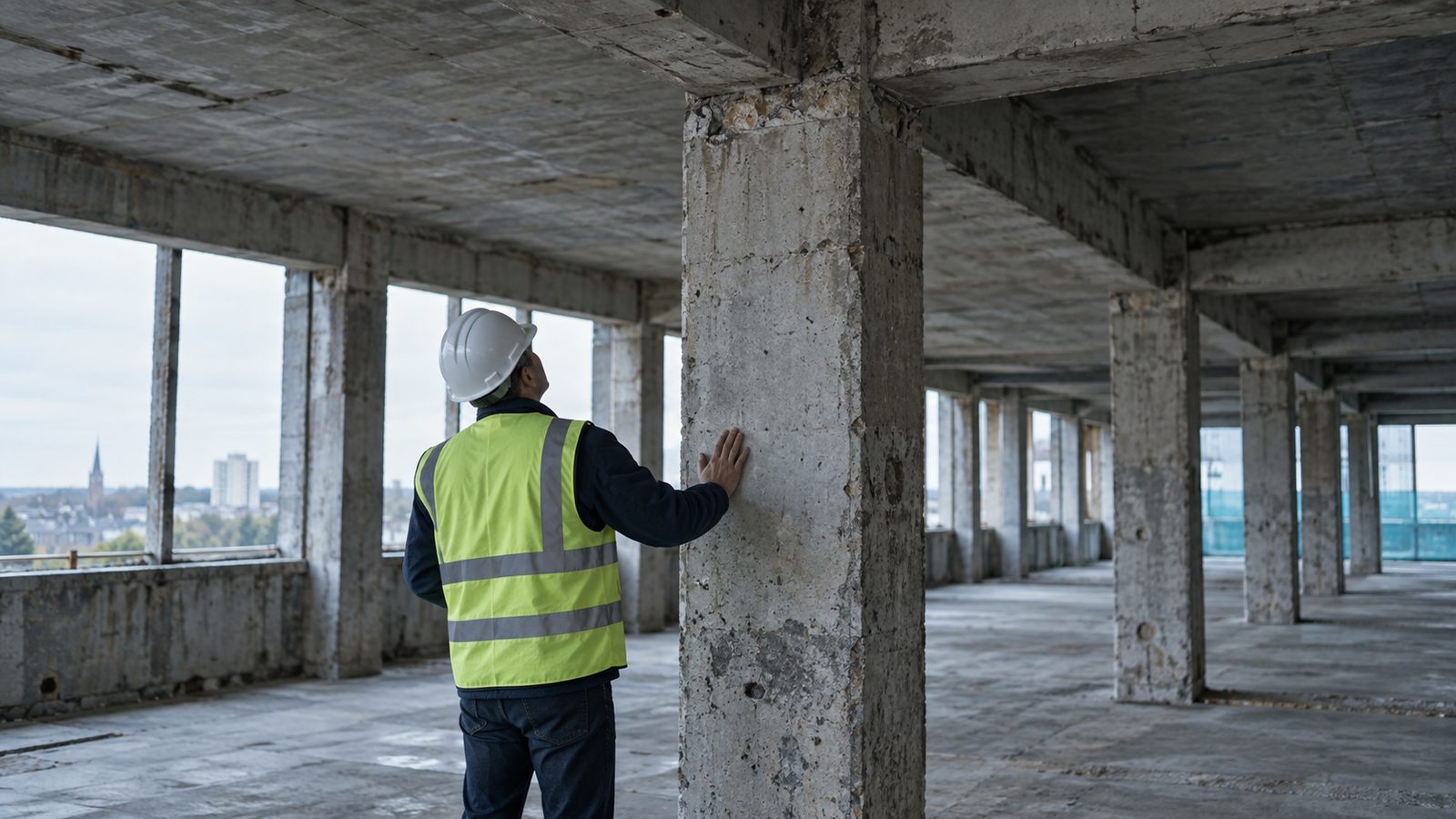
How Is the Seismic Risk of an Existing Building Assessed?
Rapid screening, statutory risk determination and code performance assessment: what each covers and why one does not replace another.
What Are the Performance Objectives in the Building Earthquake Code?
What Immediate Occupancy, Limited Damage, Controlled Damage and Collapse Prevention mean, and what meeting or missing a target actually implies.

What Is the Difference Between ASCE 41 Tier 1, Tier 2 and Tier 3?
The three-tier structure of ASCE 41, how it relates to the Turkish code, and how the appropriate tier is chosen for a given building.